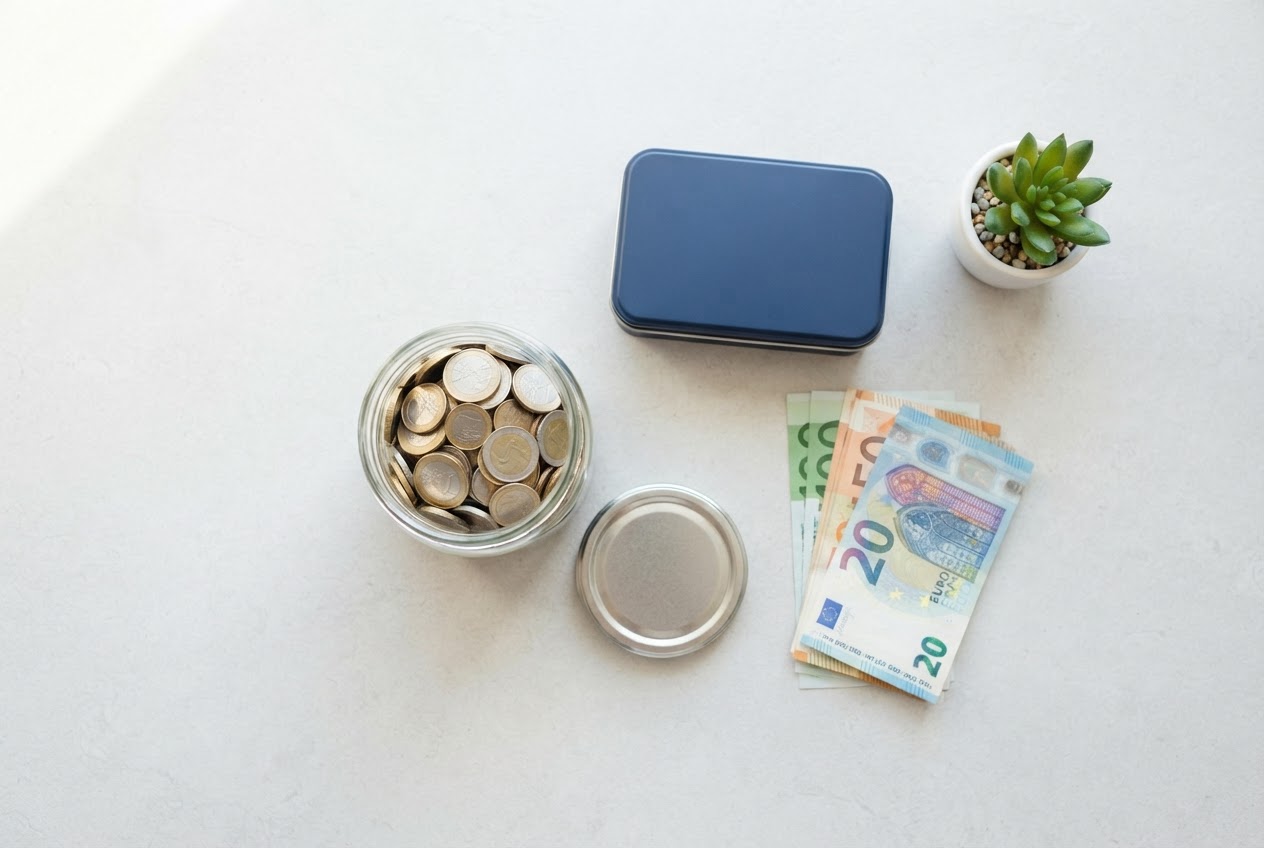
How to Build an Emergency Fund
An emergency fund is the difference between a setback and a crisis. It is also the foundation everything else rests on — because without one, a single unexpected bill can undo years of careful progress.
An emergency fund is the difference between a setback and a crisis. It is also the foundation everything else rests on — because without one, a single unexpected bill can undo years of careful progress.

Financial advice often jumps straight to investing. But investing without emergency savings is building on sand: the first unexpected expense forces you to sell investments at a bad moment, or worse, to borrow at high interest.
An emergency fund does three things that nothing else does as well. It prevents new debt, because a $900 car repair comes from savings rather than a credit card at 20%. It buys you time, so losing a job means looking for the right role rather than accepting the first one out of desperation. And it reduces the background anxiety that comes from knowing you have no margin for error.
That last benefit is underrated. Surveys across many countries consistently find that a large share of households could not cover a moderate unexpected expense from savings. The result is not just financial strain but a constant, low-level stress that affects decisions in every other part of life.
The standard advice is three to six months of expenses. The crucial word is expenses, not income — and specifically essential expenses.
Your emergency fund needs to cover what you must pay to keep life running: housing, utilities, food, transport, insurance, minimum debt payments, childcare, medication. It does not need to cover restaurant meals, holidays or subscriptions, because in a genuine emergency those stop.
This distinction matters enormously. Someone earning $4,000 a month might have essential expenses of only $2,300. Their six-month target is $13,800, not $24,000 — a dramatically less intimidating figure.
| Your situation | Suggested target | Why |
|---|---|---|
| Two stable incomes, no dependants | 3 months | Two earners means both incomes rarely stop at once |
| Single income, stable job | 4–6 months | No fallback if that income stops |
| Single income, dependants | 6 months | Higher fixed costs, less flexibility |
| Self-employed or commission-based | 6–12 months | Income is variable and can drop without warning |
| Specialised role, long job searches | 6–12 months | Replacement roles take longer to find |
To find your own number: list every essential monthly cost, total it, and multiply by the months that fit your circumstances. Do this once and write it down. A specific target is far more motivating than a vague intention to save more.
A six-month target can feel so distant that people never begin. The solution is to break it into stages, where each stage delivers real protection on its own.
The psychological shift happens at stage one, not stage three. The first time an unexpected bill arrives and you pay it from savings without stress, saving stops feeling like deprivation and starts feeling like control.
An emergency fund has three requirements, in strict priority order: it must be safe, it must be accessible, and only then should you worry about the interest rate.
Safe means the balance cannot fall. Accessible means you can reach it within a day or two — not instantly, because slight friction prevents casual spending, but not locked away for months either.
| Option | Suitable? | Why |
|---|---|---|
| Separate easy-access savings account | Yes — best choice | Safe, reachable in days, earns some interest |
| Your everyday current account | No | It will be spent without you noticing |
| Fixed-term deposit | Partly | Fine for the upper portion; penalties on early access |
| Stocks or funds | No | Value can fall exactly when you need it |
| Cash at home | Small amount only | No interest, theft and loss risk |
A practical structure many people use: keep one month in an easy-access account for immediate needs, and the remainder in a slightly higher-paying account that takes a couple of days to transfer. You get accessibility where it matters and marginally better returns on the rest.
Do not invest your emergency fund in the stock market. Investments fall hardest during recessions — precisely when job losses cluster. You would be forced to sell at the worst possible moment, converting a temporary setback into a permanent loss.
Four approaches, in rough order of effectiveness.
Automate a transfer on payday. This is the single most effective habit. A standing order that moves money the day you are paid means saving happens before spending, and requires no ongoing willpower.
Direct windfalls straight in. Tax refunds, bonuses, gifts, the proceeds of selling something. This money was never in your monthly plan, so redirecting it costs you nothing in lifestyle terms and can move you a whole stage forward at once.
Redirect a payment that has ended. When a car loan finishes or a subscription is cancelled, keep paying the same amount — to your savings account instead. You were already living without that money.
Save any raise before you adjust to it. Lifestyle inflation is quiet and permanent. Increasing your automatic transfer the same month a raise arrives means you never miss it.
Advice to "just save more" is useless if there is nothing left at month end. But a small fund is still achievable, and still valuable.
If your income genuinely does not cover essentials, an emergency fund is not the first problem to solve. Free debt advice charities and local support services exist precisely for this situation, and reaching them early gives you far more options.
A genuinely difficult question, and the honest answer is that it depends on the interest rate.
Mathematically, clearing debt at 22% beats saving at 4%. But that arithmetic ignores what happens when an emergency arrives and you have no savings: you borrow again, usually at the same high rate, and the debt never actually falls.
The approach that works for most people is sequential rather than either/or:
You sacrifice a little mathematical efficiency for a large gain in stability. For most households that is the right trade, because the plan that survives contact with real life beats the optimal plan that collapses.
A fund only works if it is still there when you need it. That requires an honest definition, decided in advance rather than in the moment.
An emergency is urgent, necessary and unexpected. All three. If it fails any one of those tests, it is not an emergency.
| Genuine emergency | Not an emergency |
|---|---|
| Job loss or hours cut | A holiday you planned |
| Urgent medical or dental treatment | Replacing a working phone |
| Essential car repair | Upgrading the car |
| Boiler or roof failure | Redecorating |
| Emergency travel for family illness | A wedding you knew about |
Most items in the right column are predictable but irregular — which makes them a job for sinking funds, saved separately for each purpose. Keeping those out of the emergency fund is what keeps the emergency fund available for real emergencies.
Spending your emergency fund is not a failure — it is the whole point. The fund did its job and stopped a setback from becoming debt. The mistake is not rebuilding afterwards.
Restart the automatic transfer immediately, even at a reduced amount. Treat rebuilding as a temporary priority ahead of other goals until you are back to at least the starter level. And if the same type of emergency has happened twice, consider whether it is really unpredictable — a car that fails annually may need replacing, or a dedicated maintenance sinking fund.
An emergency fund is not exciting. It earns modest interest and mostly sits there doing nothing. But it is the single financial asset that determines whether an unexpected event is an inconvenience or a catastrophe — and that makes it the most valuable money you will ever save.
Housing is usually the biggest. Work out what yours would be.
Try the Mortgage CalculatorImportant: this article is general educational information, not personalised financial advice. Account types, protections and support schemes differ by country. See our Disclaimer for more.

Guides that pair well with this one.